

Long Queues Anticipated This Summer for Non-EU Travelers
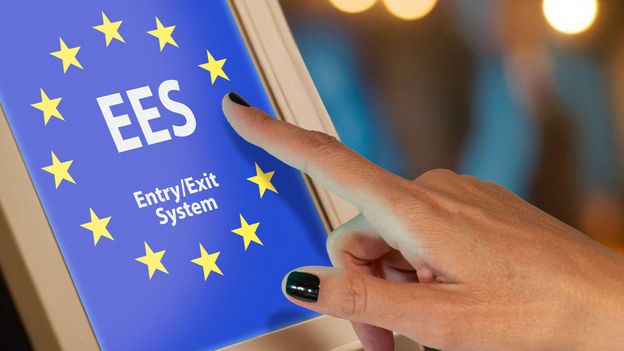
The summer travel season in Europe is gearing up, but travelers should prepare for significantly longer wait times at airports due to a new biometric entry system. The European Union has begun rolling out the Entry/Exit System (EES), which requires non-EU nationals to register their biometric data upon arrival, leading to longer queues and delays.
Travel expert Ash Bhardwaj experienced this firsthand during a trip to Oslo in February, where he spent an hour waiting at passport control on a typically quiet day. This situation is not isolated, as many non-EU travelers have reported similar experiences, with waits often extending into hours, causing missed connections and frustrating travel disruptions.
Understanding the Entry/Exit System (EES)
The EES is a biometric border control program being implemented across the 29-country Schengen Area, designed to track the entry and exit of non-EU visitors. It records biometric data, including fingerprints and photos, to monitor travelers' compliance with the 90-day limit allowed within the Schengen zone during a 180-day period. Although intended to enhance security and efficiency, the rollout has encountered significant challenges.
As the system requires in-person registration for biometric data at the border, non-EU passengers are facing considerable delays. EU passport holders, meanwhile, benefit from expedited lanes that are not affected by the EES. According to Airports Council International (ACI), border processing times for EES checks have increased by as much as 70%, with peak wait times reported at three hours or more in certain locations, such as Geneva.
Adverse Effects and Recommendations
Some airports, like Lisbon, have even suspended the EES due to extreme wait times that occasionally exceeded five hours, resulting in travelers missing their flights. Julia Lo Bue-Said, CEO of Advantage Travel Partnership, noted the varying impact of the EES, which has led to significant delays across different airports and times.
Experts predict that the situation will worsen as the full implementation of the EES approaches on April 10, coinciding with the increase in summer travel. Therefore, the traditional advice of arriving early may not suffice for non-EU passport holders this year. Instead, they are encouraged to plan for substantial delays.
Practical Tips for Travelers
To navigate the expected challenges posed by the EES, travelers are advised to:
- Give Yourself More Time: Allocate extra time for your journey, particularly when flying into major European hubs.
- Know the Rules: Understand the EES regulations, as registration does not exempt you from potential queues.
- Choose Longer Layovers: Opt for flights with longer layover times to avoid missing connections.
- Stay Updated: Keep in contact with your airline and airport for real-time information on queues and possible delays.
- Travel Off-Peak: Consider flying in September, post-EES rollout, to potentially avoid crowds.
- Utilize an EU Passport: If eligible, using an EU passport can help you bypass the EES process.
Non-EU travelers are advised to account for at least four hours of buffer time when making travel plans. Even those who have registered previously will face the same queues as newcomers, so it’s essential to avoid cutting it close on timing.
The EES will retain travelers' biometric data for three years before requiring renewal. However, the system’s efficiency may still be hindered by technical issues, such as system outages that could revert processing to manual checks, further complicating the arrival experience.
Future Considerations and Conclusion
While the EES aims to streamline border processes, travelers should remain patient and prepared for potential delays as the system is refined. The European Commission has indicated that border authorities might temporarily suspend the EES during peak times to alleviate congestion, but travelers will not know until they arrive. The introduction of the EU’s ETIAS visa waiver program is also on the horizon, which will require pre-travel authorization for citizens of over 60 countries starting between October and December 2026.
As travelers brace for the upcoming summer season, staying informed and prepared will be crucial in navigating the complexities of European travel under the new biometric system. “If you qualify for a European passport, securing one could be the most effective way to sidestep these delays,” Bhardwaj suggests.
Source: Bbc News